Why Your Voice Sounds Better After 20 Minutes
Reasons your voice improves mid-session.
5/4/20262 min read


Neuromuscular Coordination Improves Gradually
Singing relies on precise coordination between breath, vocal fold function, and resonance. Early on, that coordination can feel slightly off simply because the system hasn’t synced up yet.
Gradual scale work helps refine that coordination:
Starting with simple patterns builds consistency
Repetition improves timing between breath and sound
Expanding range step by step prevents overload
As these elements begin to align, the voice feels more predictable and easier to control. What felt effortful at the beginning of the session often becomes much smoother.
SOVT Exercises Speed Up Efficiency
Semi-occluded vocal tract exercises (SOVTs) like lip trills, straw phonation, and gentle humming, help the voice find efficient vibration more quickly.
These exercises:
Balance airflow and vocal fold closure
Reduce unnecessary effort
Encourage steady, efficient sound production
Help the voice “settle in” faster
Because they create a more stable environment for vibration, they often make the transition into full singing feel much easier.
Add some of the SOVT exercises below to your daily routine.
You can use a straw, or find additional SOVT tools specifically for singers by clicking here.
Warming Up Is Biological Preparation
That moment when your voice finally feels consistent is the result of your body catching up to the demands of singing.
When you allow time for blood flow to increase, coordination to develop, and efficient patterns to settle in, your voice responds more reliably.
A proper warmup sets the stage for everything that follows. Give your voice that time, and you’ll spend more of your session singing at your best.
It Takes Time for the System to Fully Engage
You start singing, things feel a little off, and then somewhere around the 15–20 minute mark, everything begins to click. Notes feel more reliable, tone evens out, and the voice responds with less effort.
The vocal aparatus needs time to warm up on both a physical and neurological level. Early in a session, the muscles and tissues involved in singing aren’t fully activated yet. As you continue, they become more responsive and coordinated.
Increased Blood Flow and Tissue Elasticity
At the start of a session, the vocal folds and surrounding muscles are relatively less flexible. As you continue warming up, blood flow increases, bringing oxygen to the tissues and improving their elasticity.
As this happens:
The vocal folds vibrate more efficiently
The range begins to feel more accessible
Tone becomes clearer and more consistent
Transitions between notes smooth out
This is similar to how the body feels during physical exercise. Movement becomes easier once the muscles are warmed and flexible.
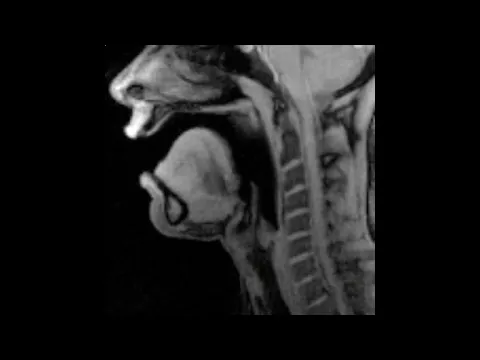
The MRI imaging of the complex anatomical coordination in the video below helps illustrate why warming up is essential to prepare these intricate structures for the demands of singing while preventing strain or injury.