Why Every Singer Should Practice With Drones
A powerful and underutilized tool for singers.
1/26/20263 min read
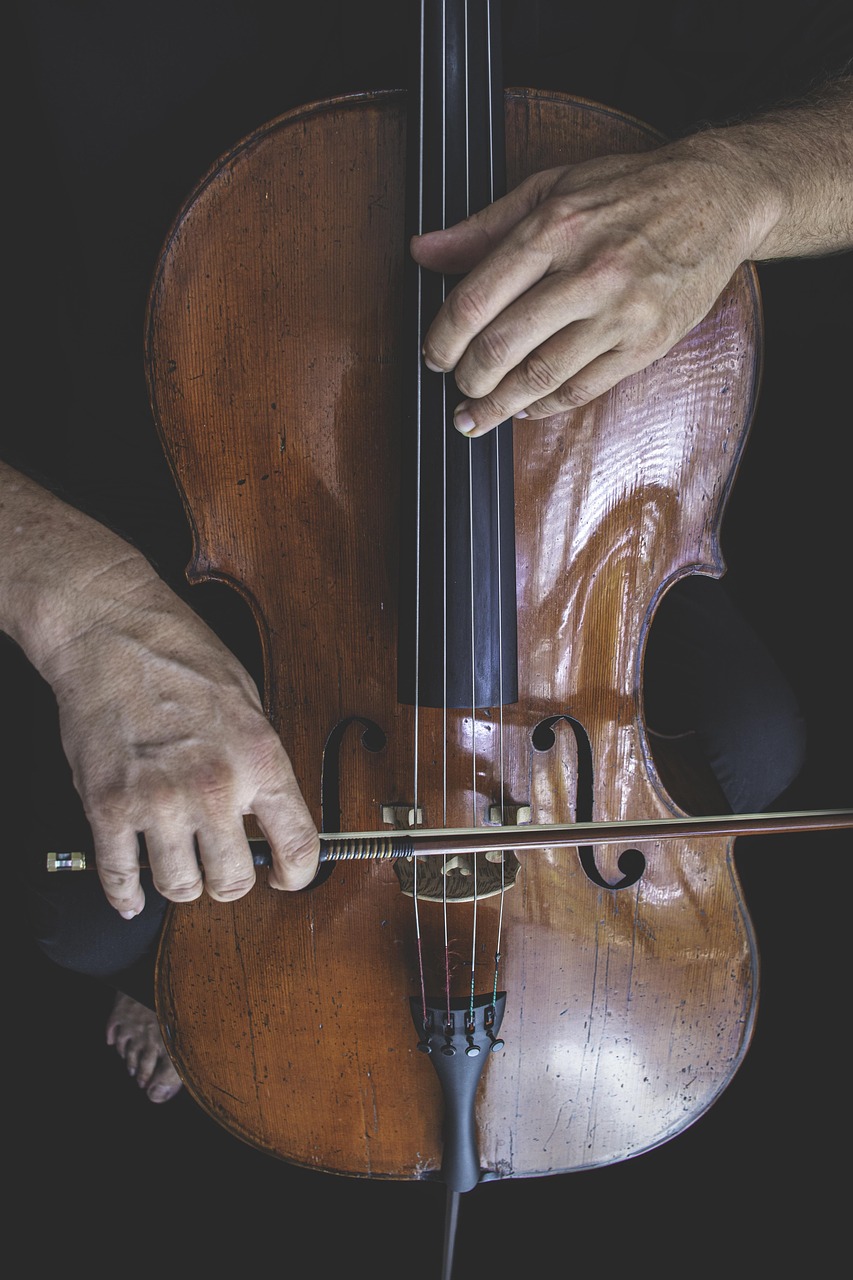
If you want better pitch, stronger intonation, and a more reliable voice, practicing with drones is one of the most powerful (and underused) tools available to singers. From beginners to professionals, drone practice builds skills that traditional accompaniment often misses.
Let’s break down what drones are, why they work, and how they can transform your singing.
What Is a Drone?
A drone is a sustained, constant pitch (or set of pitches) that plays continuously while you sing. Unlike a piano or backing track, it doesn’t move—it stays put.
Drones are commonly used in:
Indian classical music
Ear training and music theory
Vocal pedagogy and intonation training
String and wind instrument practice
For singers, drones act as a sonic reference point, helping you tune every note you sing in real time.
1. Drones Dramatically Improve Pitch Accuracy
When you sing with a piano, the notes change quickly. With a drone, you’re forced to actively tune your voice to a single pitch or key center.
This helps you:
Hear when you’re sharp or flat
Make micro-adjustments with your breath and resonance
Develop pitch awareness instead of relying on muscle memory
Over time, singers who practice with drones develop more consistent and reliable intonation, especially in a cappella settings.
2. Drones Train Your Ear, Not Just Your Voice
Singing is as much an ear skill as it is a vocal one.
Drones:
Strengthen relative pitch
Help you internalize intervals
Improve harmonic awareness
Teach you how notes function within a key
Instead of thinking “Is this note right?”, you start to feel when a note locks in. That locked-in sensation is the foundation of confident singing.
3. They Build Stronger Vocal Control and Stability
Because drones don’t guide you rhythmically or melodically, you’re responsible for everything:
Starting pitch
Sustaining notes
Smooth transitions between intervals
This develops:
Breath consistency
Steady airflow
Balanced vocal onset
Cleaner note transitions
If your pitch wavers, the drone reveals it instantly—making practice honest and effective.
4. Drones Help You Sing in Tune Across Your Range
Many singers can sing in tune in one part of their range but struggle elsewhere.
Drone practice:
Exposes pitch tendencies (sharp high notes, flat low notes)
Helps balance resonance across registers
Encourages efficient vocal coordination
By practicing scales, arpeggios, or melodies against a drone, you learn how each part of your voice relates back to the tonal center.
5. They Strengthen A Cappella and Harmony Singing
If you sing in choirs, vocal groups, or do solo a cappella work, drone practice is essential.
It teaches you to:
Hold your pitch without external support
Blend more accurately in harmony
Maintain tonal center over long phrases
Many professional vocal ensembles use drones daily because they eliminate pitch drift.
6. Drones Encourage Mindful, Focused Practice
Drone work slows you down—in the best way.
You become more aware of:
Vowel shape
Resonance adjustments
Tension patterns
Breath-to-tone connection
This kind of focused listening turns warm-ups into deep technical training, not just routine exercises.
How to Practice with Drones (Simple Start)
You don’t need fancy equipment. You can use:
Drone apps
Keyboard/synth sustain
Tuning apps with drone functions
Online drone tracks
Put It Into Practice:
The playlist below is where the real work happens. It opens with a clear overview of how to practice with cello drones, followed by drones of every pitch. Save it to your favorites and make it part of your regular singing routine.

Beginner exercise:
Choose a comfortable key (start with C or G)
Play the tonic drone
Sing:
Sustained vowels
Five-note scales
Simple melodies
Listen for “locking in” rather than forcing pitch
Aim for 5–10 minutes a day. Consistency matters more than duration.
Final Thoughts
Practicing with drones teaches singers to:
Listen more deeply
Sing more accurately
Develop true pitch independence
Build confidence without relying on instruments
It’s one of the simplest tools with the biggest payoff—and one every singer, at every level, should use regularly.
If you’ve never tried drone practice before, start today. Your ears—and your voice—will thank you.