The Physiology of Singing
What your body is really doing when you sing.
2/9/20262 min read
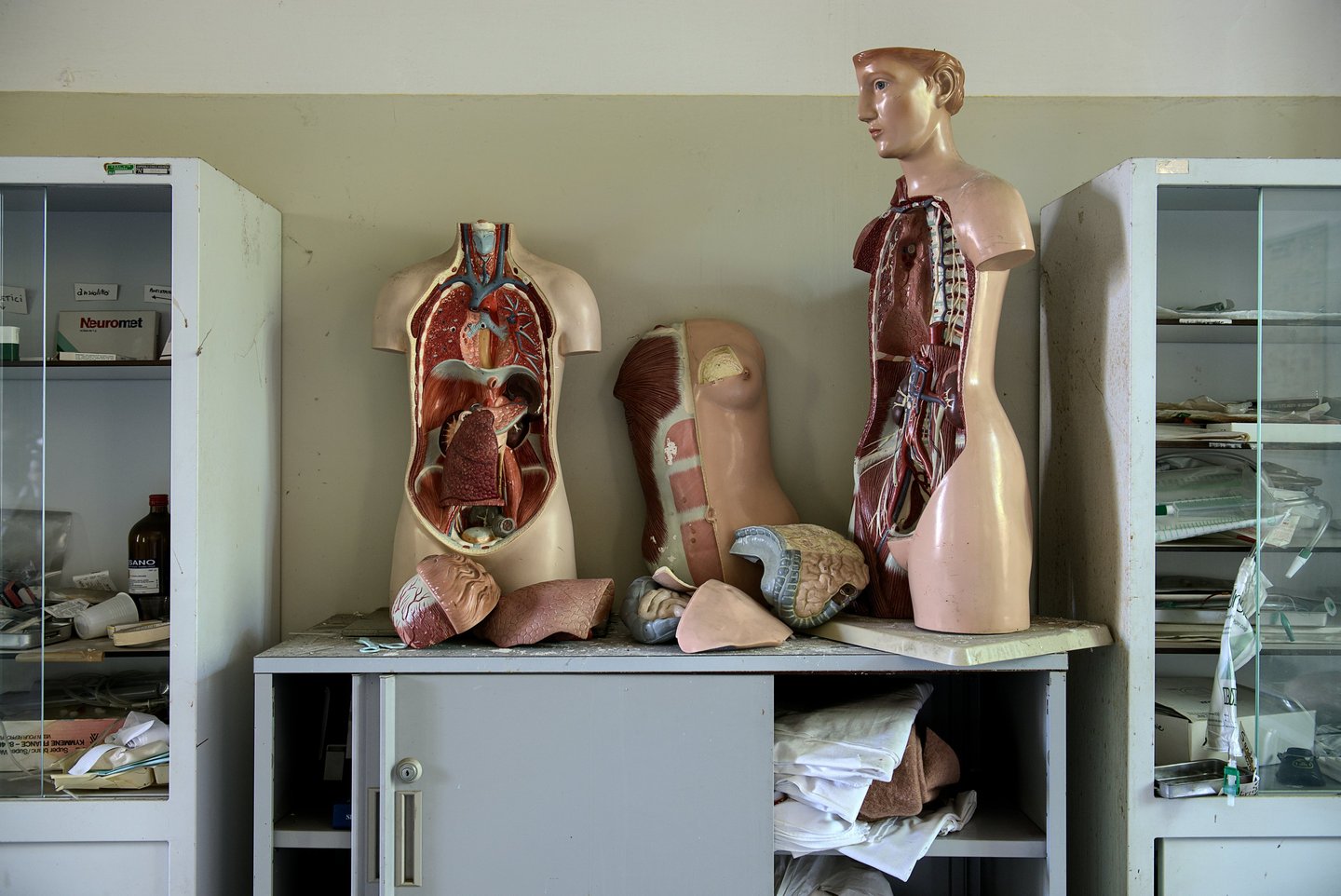
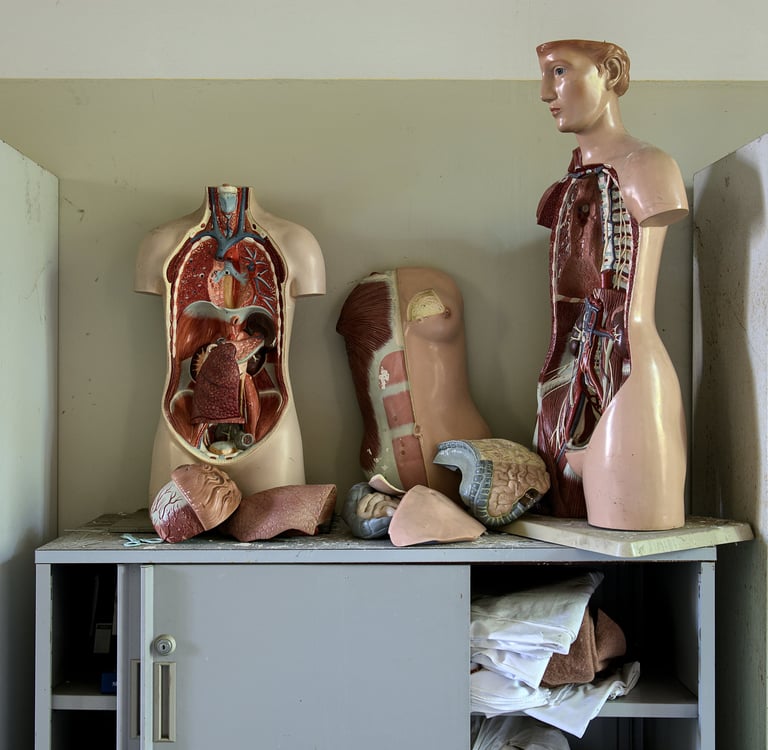
One of the biggest breakthroughs in singers happens when they stop thinking of the voice as something mysterious, and start understanding it as something physical. Singing isn’t magic. It’s physiology. And the better you understand how your body produces sound, the more control, freedom, and consistency you’ll have in your voice.
Let’s take a tour through the body and explore what’s really happening when you sing.

1. The Breath: Your Power Source
Everything in singing begins with breath. Not the chesty, shallow breathing we use when we’re anxious, but a coordinated system involving the lungs, diaphragm, and surrounding muscles.
The diaphragm is a dome-shaped muscle beneath the lungs. When you inhale, it contracts and moves downward, allowing the lungs to fill with air.
The diaphragm is generally an involuntary muscle, but when we sing, we need to think about relaxing, releasing, and breathing naturally.
As you sing, the diaphragm gradually releases while the abdominal and intercostal muscles manage airflow.
Good singing isn’t about taking a massive breath, it’s about controlling the exhale. This steady airflow is what allows the vocal folds to vibrate efficiently without strain. Consider the following: Breath doesn’t make the sound, but it makes the sound possible.
2. The Vocal Folds: Where Sound Is Born
Sound is created in the larynx, sometimes called voice box. Inside it are the vocal folds (also called “vocal cords”, but they’re not like strings!).
When air from the lungs passes through the vocal folds:
They come together
Air pressure builds
They vibrate rapidly, producing sound
Pitch is determined by:
Length of the vocal folds
Thickness of the vocal folds
Tension applied by tiny laryngeal muscles
Higher notes require the folds to stretch and thin. Lower notes involve thicker, shorter vibrations. This is why forcing high notes with “more push” doesn’t work. It disrupts the delicate balance of the system.
For a more in-depth look at specific vocal cord anatomy, check out the video below...

3. Resonance: Why Your Voice Sounds Like You
The sound produced at the vocal folds is small and buzzy. What makes it rich, loud, and recognizable is resonance.
Resonance occurs in the:
Throat (pharynx)
Mouth (oral cavity)
Nasal cavity (to a degree)
Other unique structures and anatomy (as sympathetic vibration)
By adjusting the shape of these spaces through tongue position, jaw release, soft palate lift, and vowel shaping, you amplify and color the sound. This is why two singers can sing the same note at the same volume and sound completely different. Your anatomy and habits shape your unique vocal tone.
4. The Articulators: Turning Sound into Language
Once sound is resonating, it’s shaped into words by the articulators:
Tongue
Lips
Teeth
Jaw
Soft palate
Efficient articulation is precise but relaxed. Excess tension in the jaw or tongue is one of the most common physiological blockers I see in singers. It can choke resonance, affect pitch, and cause fatigue. Clear diction doesn’t come from overworking these muscles, but from allowing them to move freely and efficiently.
Final Thoughts
Your voice is not a single instrument, it’s a whole-body process. Singing well means training awareness just as much as sound. When you understand what your body is doing, you stop fighting it and start working with it.
Awareness of the physiology of singing allows singers to feel more informed, empowered, and physically free in their voices. Because when physiology and artistry align, singing feels less like effort and more like expression.