Singing For Brain Health
Why singing may be one of the most complete workouts for your brain.
7/6/20262 min read
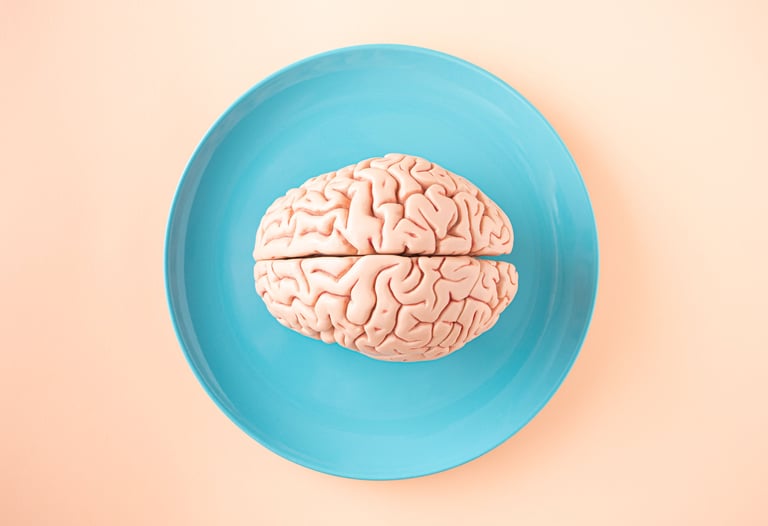

Singing Engages More of Your Brain Than You Think
When you sing, your brain handles far more than melody alone. Singing combines breath coordination, language processing, pitch recognition, memory, rhythm, movement, listening, and emotional interpretation, all at the same time.
That combination makes singing one of the most neurologically engaging activities people can do regularly. Instead of isolating a single skill, the brain coordinates multiple systems simultaneously, creating constant communication between different regions.
Whether you sing casually, rehearse with a choir, or practice vocal exercises daily, your brain stays actively involved throughout the process.
Singing Activates Multiple Brain Regions
Singing requires coordination between several areas of the brain at once.
These include regions involved in:
Memory and recall
Auditory processing
Motor coordination
Language and speech
Emotional interpretation
Learning lyrics, memorizing melodies, and maintaining pitch accuracy all challenge the brain to stay engaged and adaptable.
Even simple vocal warmups involve timing, listening, and coordination. Over time, repeated engagement with these skills can help strengthen memory and mental flexibility.


Long-Term Cognitive and Social Benefits
Researchers continue studying the relationship between music and long-term brain health, but singing appears to support several important cognitive functions.
Regular musical activity may help support:
Neuroplasticity (the brain’s ability to adapt and reorganize)
Attention and focus
Memory retention
Processing speed
Emotional regulation
Group singing introduces another important factor: social engagement.
Choirs, group classes, and ensemble rehearsals combine musical learning with communication and community. Social interaction itself plays a major role in cognitive well-being, especially over time.
Learning new songs, adapting to harmonies, and coordinating with others continually challenge the brain in healthy ways.

Creativity and Cognitive Stimulation Together
Singing combines creativity, coordination, memory, breathing, listening, and emotional expression into one activity. Few habits engage so many areas of the brain at once while also remaining enjoyable and accessible.
Whether through structured warmups, choir rehearsals, or singing casually throughout the day, regular vocal activity provides both creative expression and meaningful cognitive stimulation.
Your voice exercises more than your vocal folds, it keeps your brain engaged too.