Cycles, Hormones, & Singing
How your voice changes and how to work with it.
3/2/20262 min read

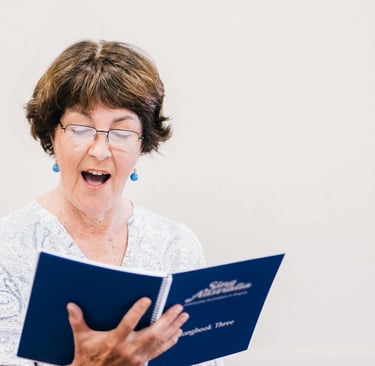
For many singers, the voice feels like a reliable friend, until suddenly, it doesn’t. One week your notes soar, the next week you struggle to hit the same high notes. If you’ve ever noticed these shifts, hormones and your body’s natural cycles might be playing a bigger role than you realize.
In this post, we’ll explore how menstrual cycles, perimenopause, and menopause can affect your singing voice, and share practical strategies to work with your body, not against it.
Understanding the Connection Between Hormones and Your Voice
Your vocal cords are sensitive tissues, and just like the rest of your body, they respond to hormonal fluctuations. Key players include:
Estrogen: Helps keep vocal folds hydrated and flexible. Drops in estrogen (like during menstruation or menopause) can make the voice feel dry or “tight.”
Progesterone: Can cause swelling in the vocal folds, sometimes making the voice feel heavier or less agile.
Testosterone: Even in small amounts, shifts can affect vocal strength and tone.
These changes are natural. They don’t mean your voice is “broken”. They just mean your voice might need a slightly different approach depending on where you are in your cycle or life stage.
How Hormonal Changes Can Affect Singing
Here’s what many singers notice:
1. During Your Menstrual Cycle
Follicular Phase (Post-Period): Energy and vocal flexibility are often higher. This can be a great time for challenging runs or high notes.
Ovulation: Some singers feel strong and resonant, while others notice slight swelling in the vocal folds.
Luteal Phase (Pre-Period): The voice may feel heavier, dry, or fatigued. Pitch control can feel a bit “off.”
2. Perimenopause
Hormonal swings become more noticeable.
The voice may feel inconsistent day to day.
Fatigue or stress can amplify vocal changes.
3. Menopause
Lower estrogen levels can lead to dryness and less elasticity in the vocal folds.
Some singers notice a deeper, richer tone; others may feel a loss of range.
The video below discusses the topic of singing on your period, including changes in vocal range, stamina, and overall energy levels.

Tips for Singing Through Hormonal Changes
1. Warm Up Smarter
Focus on hydration, gentle resonance exercises, and breath support. Even short warmups can help your vocal cords adapt to changing conditions. Lip trills, humming, and sirens are particularly effective for sensitive vocal folds.
2. Track Your Voice
Keep a simple vocal diary noting days when your voice feels stronger or weaker. Over time, patterns emerge that help you schedule demanding rehearsals during your strongest periods.
3. Adjust Your Repertoire
Some pieces may be more challenging during certain times of your cycle. Don’t be afraid to rotate songs or parts to accommodate your voice.
4. Hydrate and Rest
Hormonal changes can make your voice more prone to fatigue. Extra water, steam, and avoiding excessive caffeine or alcohol can help.
5. Work With Your Choir Director
If you sing in a community or professional choir, a supportive director can help with part assignments or rehearsal pacing. Communication is key. Your voice is not failing; it’s adapting.
Hormone-Friendly Warmups

Embrace the Change
Singing through hormonal fluctuations doesn’t have to be frustrating. With awareness, a few adjustments, and a little patience, you can maintain vocal health and keep singing beautifully at every stage of life.
Your voice is resilient—it evolves with you. Learning to work with it, rather than against it, will make you a stronger, more confident singer in the long run.
Quick Takeaway
Track your voice, adjust warmups, stay hydrated, and be gentle with yourself. Hormonal changes are natural. Your voice can thrive through them.